
Is radon mitigation worth it?
Radon mitigation is a practical investment to consider when the test result calls for exposure reduction. CDC recommends contacting a qualified professional when radon is at or above the EPA action level. Begin with that measured reason for the work, then examine the proposal.
Ask what the installation price buys: the proposed collection method, pipe route, equipment, testing arrangements and any adjustment terms. A quote with a clear verification plan gives you something concrete to evaluate after installation.
If cost is a constraint, state it during the assessment. Ask whether there are legitimate routing or scheduling choices, while keeping required performance and installation practices in view.
- Identify the result that prompted the quote.
- Ask how the proposed design addresses the property.
- Compare complete scopes.
- Agree on the follow-up measurement.
Is radon risk overblown?
Radon risk is established public-health guidance, not a conclusion drawn from an installer’s sales pitch. CDC identifies radon as a cause of lung cancer. An individual test measures a building condition; it cannot predict a particular person’s future health.
Keep those two ideas separate when deciding what to do. You do not need a personal health prediction to investigate a preventable exposure, and a contractor should not promise that a system will prevent illness. Discuss personal medical concerns with a clinician.
For the property decision, ask a qualified tester to explain whether the measurement is suitable for the intended next step. A report that was disturbed or misunderstood needs clarification before it becomes the basis for a major purchase.
- Use a valid measurement.
- Consult public-health guidance.
- Avoid diagnosis from a household test.
- Ask for clarification of uncertain results.
What are the downsides of a radon mitigation system?
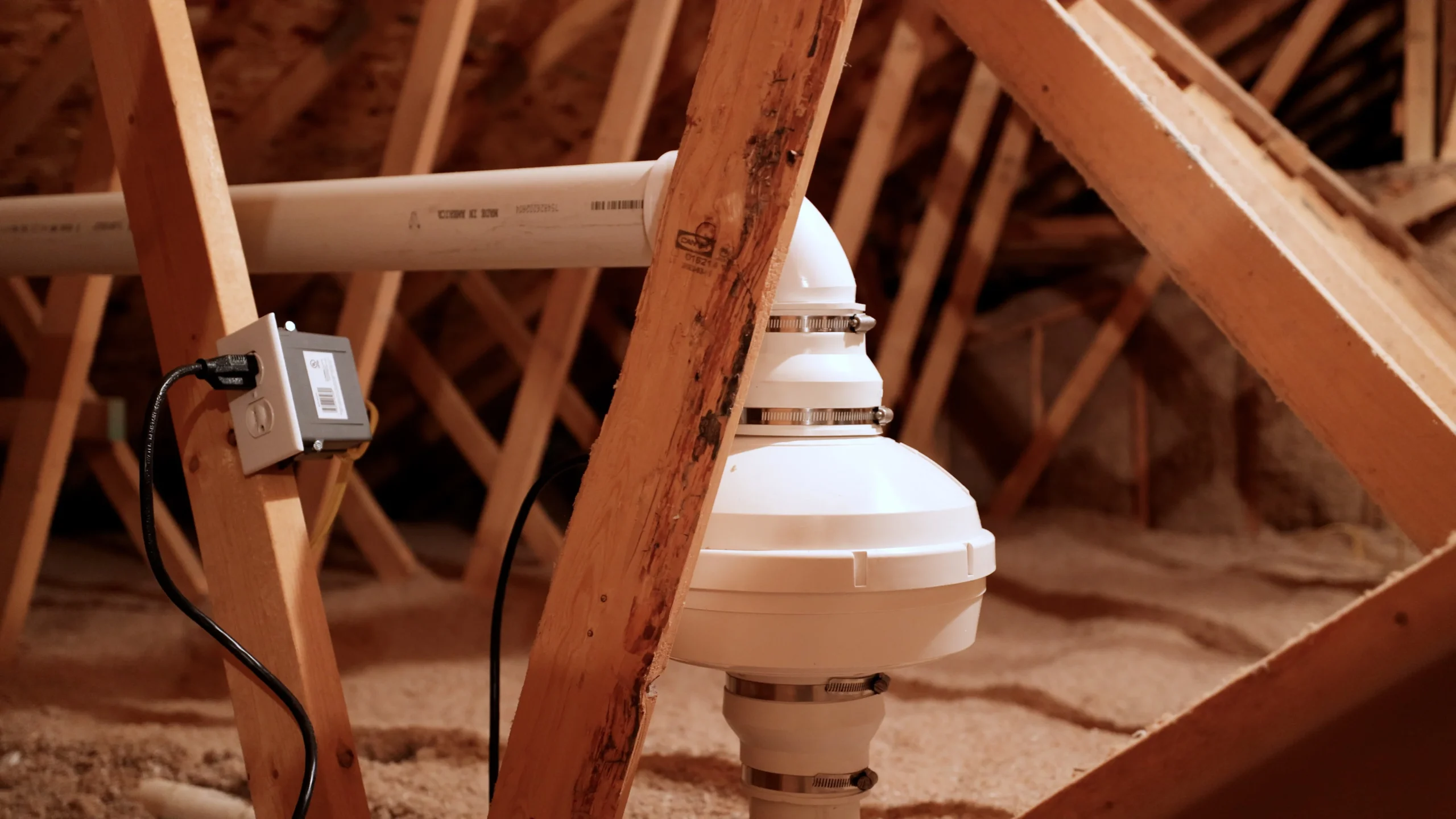
A radon system brings continuing responsibilities: electricity, attention to the operating indicator, future measurements and occasional service. It also adds a pipe route and equipment to the property. These are reasonable tradeoffs to discuss openly before installation.
Review the design on a walkthrough. Ask how service access will be maintained and whether the route conflicts with future building work. Discuss noise-sensitive spaces and visible exterior components while alternatives can still be considered.
The ownership plan should be simple enough for another household member to follow. Store the instructions, equipment details and reports together, and explain what to do if the indicator changes.
- Review visible equipment and routing.
- Keep maintenance access available.
- Read equipment and labor warranty terms separately.
- Budget for future testing and service.
Does a radon system affect resale value?
A documented radon system can help explain how an identified issue was addressed during a property sale, but it does not establish a guaranteed increase in resale value. Keep the installation and follow-up reports for future discussions with buyers and inspectors.
Treat any expected selling-price benefit as uncertain. The immediate decision is whether the proposed work addresses your measured radon condition at an acceptable, clearly described cost.
Questions before you book
Should I choose mitigation only if I plan to sell?
Your household’s measured radon condition is a reason to evaluate reduction regardless of a sale. A future transaction adds documentation and timing considerations.
Does a system eliminate the need for testing?
No. Testing is how the indoor level is evaluated after installation and when later circumstances warrant another measurement.
Can Air Sense help compare the scope of a quote?
Call 314-664-9807 with the report and proposed work details. Ask for clarification of the installation, testing and ownership responsibilities.